Review: Christmas Nutcracker Retro Note Paper for Holiday Embroidery
As a designer who spends more time staring at stitch simulations than actual holiday decorations, I approach every new machine embroidery design with a mix of excitement and skepticism. When I first pulled up the Christmas Nutcracker Retro Note Paper file on my screen, I wasn't just looking for a cute graphic; I was evaluating its potential as a commercial asset for my small shop clients. This isn't just another digital download; it is a specific stylistic choice that bridges the gap between vintage stationery and modern textile art. For Etsy sellers and craft business owners, understanding the nuance of this Illustrations-style piece is critical before committing thread and fabric.
The Aesthetic: Vintage Charm Meets Stitch Reality
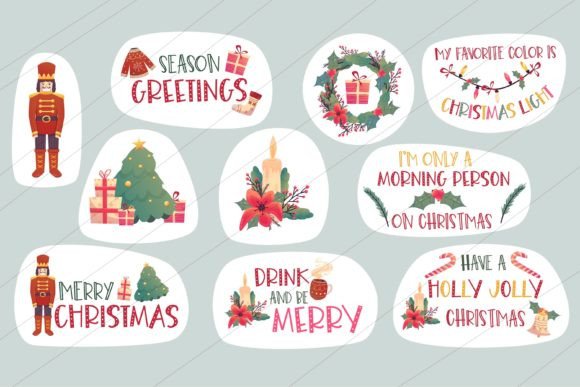
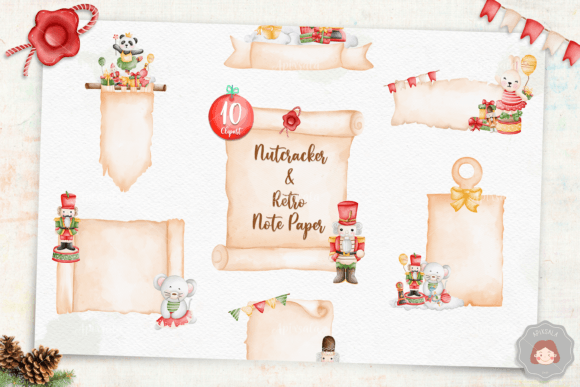
The immediate impression of the Christmas Nutcracker Retro Note Paper is its distinct mood. It captures that mid-century holiday nostalgia without feeling cluttered. In the world of embroidery project planning, "retro" can sometimes translate to messy, low-resolution scans that digitizers struggle to clean up. However, this design feels intentional. The lines suggest a classic running stitch or fine satin stitch outline that mimics the look of ink on textured paper.
For those of us creating handmade products, the visual personality here is key. It doesn't scream "mass-produced." Instead, it whispers "boutique." The layout is balanced, likely leaving enough negative space to prevent the dreaded puckering that ruins so many finished products. If you are aiming for a cohesive brand identity that leans towards whimsical yet sophisticated holiday decor, this digital embroidery file fits the bill perfectly. It avoids the overly dense fill stitch areas that often make designs look like plastic patches rather than integrated art.
Real-World Application: From Mockup to Merchandise
Let's move beyond the screen and talk about where this design actually lives. I recently simulated this design for a client wanting to launch a limited-run line of custom apparel for a local boutique. We debated between a heavy canvas tote and a soft fleece sweatshirt. The Christmas Nutcracker Retro Note Paper shines differently on each.
On a natural cotton tote bag design, the retro aesthetic pops beautifully. The texture of the canvas complements the illustrative style, making the nutcracker look like it was stamped or drawn directly onto the bag. It creates an instant personalized gift vibe that customers love during the holidays. However, when we moved to sweatshirt embroidery, the dynamic changed. On softer, stretchier fabrics, the design requires careful attention to stabilizer selection. Because retro styles often rely on crisp lines, any shifting in the fabric during stitching can blur those delicate details.
I also see massive potential for this as an embroidered patch. If you are an apparel decorator looking to create iron-on or sew-on accessories, the contained nature of this illustration makes it ideal. It could easily adorn a denim jacket pocket or a holiday apron. For small shop product lines, versatility is currency. This design works as a central chest logo on a tee, a subtle accent on a pillow cover, or even a focal point on a kitchen towel. The key is recognizing that its strength lies in its clarity; it is not a background pattern but a statement piece.
Navigating Technical Challenges
No design is without its quirks, and a professional review must address where things can go wrong. The Christmas Nutcracker Retro Note Paper relies heavily on line work. This means stitch density is a double-edged sword. If the density is too low, the fabric might show through, breaking the illusion of the illustration. If it is too high, you risk stiffness, especially on baby embroidery projects where softness is paramount.
You need to be cautious with hoop size limitations. While the design looks scalable on a monitor, shrinking it down for a cap or a small pocket might cause the finer details of the nutcracker's face or uniform to merge. Always check the minimum recommended size provided by the creator. Furthermore, if you are working on dark fabric, ensure that the thread colors selected offer sufficient contrast. A retro palette often uses muted tones, which can get lost on navy or black backgrounds unless you use a bright underlay or adjust the color map.
Curved surfaces present another hurdle. Applying this to a structured cap requires a experienced hand. The flat, illustrative nature of the design might distort if the fabric curvature is too aggressive. In these cases, testing on a scrap piece of the exact same material is non-negotiable. Do not skip the test run. Seeing how the applique design elements (if any) or the satin columns behave on your specific machine can save you from ruining expensive inventory.
Building Trust and Brand Value
Ultimately, the success of using the Christmas Nutcracker Retro Note Paper in your commercial embroidery workflow comes down to the perceived value of the finished product. Customers today are savvy; they can spot a lazy design application from a mile away. When a design is well-executed, with clean trim jumps and appropriate tension, it elevates the entire item. It transforms a simple tea towel into a heirloom-quality holiday embroidery piece.
For creative entrepreneurs, consistency is everything. If your brand promises high-quality, thoughtful goods, this design supports that narrative. It suggests that time was taken to curate the right artwork. Conversely, if the stitching is sloppy or the design choice feels random, it erodes customer trust. Use this design to reinforce your reputation for quality. Whether you are selling printable mockups to other designers or physical goods at a craft fair, the professionalism of the stitch-out reflects directly on your business.
Final Designer Notes and Best Practices
Before you load this file into your machine, take a moment to review the technical specs. Since specific stitch counts and file formats vary by vendor, always verify that you have the correct format for your machine (PES, DST, EXP, etc.). Check the licensing terms explicitly; while many designs allow for commercial use on physical goods, reselling the design assets themselves is usually prohibited.
- Test First: Always stitch out on a scrap of your intended fabric. What looks good on polyester might behave differently on linen.
- Contrast Check: View your design in black and white on your screen to ensure the values separate well before threading up.
- Stabilizer Strategy: For retro line art, a cut-away stabilizer often provides better long-term stability than tear-away, preventing distortion after washing.
- Thread Selection: Stick to high-quality rayon or polyester threads to maintain the sheen and color accuracy of the retro palette.
- Wash Care: Advise your customers on proper care. Delicate illustrative stitches last longer when washed inside out on gentle cycles.
The Christmas Nutcracker Retro Note Paper is a strong contender for your holiday catalog. It offers a blend of nostalgia and modern applicability that resonates with current market trends. By approaching it with a critical eye and a steady hand, you can turn this digital file into a tangible product that delights customers and strengthens your brand. Happy stitching!