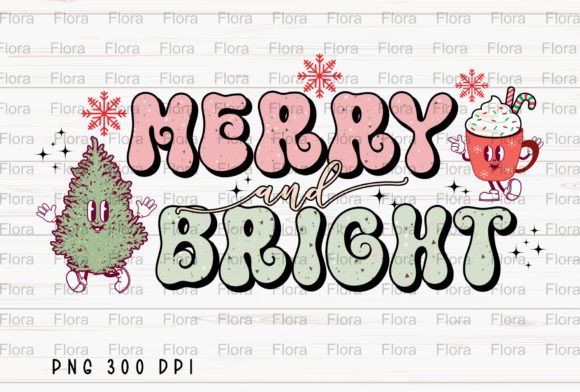
Christmas Tree Winter: A Designer's Real-World Review
As a designer who spends more time staring at stitch maps than holiday lights, I approach every new machine embroidery design with a mix of excitement and skepticism. When I first opened the Christmas Tree Winter file, my immediate reaction wasn't just about whether it was "cute," but whether it would hold up under the needle on actual fabric. In the world of craft business and handmade goods, aesthetics are only half the battle; durability and stitch quality are what keep customers coming back. This review breaks down how this specific Illustrations style design performs when moved from the screen to the hoop.
First Impressions and Visual Personality
The Christmas Tree Winter design carries a distinct mood. It isn't overly cluttered, which is often the downfall of many holiday motifs. The layout suggests a balance between whimsical charm and structural integrity. Visually, it feels like a classic winter scene that avoids looking dated. For an Etsy seller or boutique owner, this is crucial. You want a finished product that looks timeless enough to be sold this year and next. The line work appears clean, suggesting a thoughtful combination of satin stitch for outlines and fill stitch for body coverage. This combination usually translates well to various fabrics, provided the density is managed correctly.
What stands out most is the potential versatility. While many holiday designs scream "December only," this one has a softer edge that could easily transition into general winter decor. For those creating design assets for a broader audience, this flexibility adds significant value to your catalog.
Real-World Application: The Tote Bag Test
To truly gauge the worth of an embroidery file, I mentally place it on a real project. Let's say you are preparing a run of canvas tote bag design options for a local holiday market. Canvas is forgiving, but it can be tricky with fine details. Christmas Tree Winter seems robust enough to handle the texture of a heavy cotton tote. The shapes are defined well enough that they won't get lost in the weave of the fabric.
Imagine stitching this onto a neutral beige bag with deep green and icy blue threads. The contrast would pop, creating a high-end look suitable for a small shop product. Unlike some dense logos that make bags stiff and uncomfortable to carry, this illustration style likely allows the fabric to retain some drape. If you are selling these as personalized gift items, the design leaves enough negative space around the tree to add a monogram or name without crowding the composition. This thoughtful spacing is a hallmark of a professional-grade embroidery project.
Apparel and Soft Goods Performance
Moving beyond bags, let's consider custom apparel. A fleece sweatshirt embroidery project is a staple for winter sellers. Fleece can be notorious for sinking stitches if the design isn't optimized. Christmas Tree Winter appears to have solid coverage areas that would sit nicely on top of plush fabric, especially if paired with a cut-away stabilizer. However, caution is needed if you plan to use this on thinner materials like a standard cotton t-shirt. The stitch density might be too heavy for lightweight knits, potentially causing puckering. Always test on scrap fabric that matches your final garment weight.
For baby embroidery, such as on a onesie or a nursery blanket, the softness of the stitch output is paramount. Babies have sensitive skin, so any rough backing or dense underlay needs to be checked. If this design uses a lot of satin columns, ensure they are not too wide, which can lead to looping on stretchy baby fabrics. On a woven flannel blanket, however, this design would likely shine, offering a cozy, storybook aesthetic perfect for a holiday gift.
Technical Considerations for Professional Results
Every designer knows that the devil is in the details. When working with Christmas Tree Winter, there are specific technical hurdles to anticipate. First, consider the hoop size. If the design is large, ensure your machine can accommodate it without excessive re-hooping, which can lead to registration errors. For smaller applications, like an embroidered patch or a pocket detail on an apron, check if the design scales down well. Tiny details in Illustrations can disappear or merge when reduced below a certain inch threshold.
Fabric texture plays a massive role here. On dark fabrics, you must verify that the thread colors selected provide enough contrast. A dark green tree on a black sweatshirt might look muddy unless the outline is sharp and perhaps slightly lighter. Conversely, on white linen tea towels, the design needs to be dense enough to cover the background completely, avoiding any "grinning" where the fabric shows through the stitches.
Curved surfaces present another challenge. If you are applying this to a cap, the center of the design must align perfectly with the crown's curve. Complex illustrations can distort on tight curves, so a test run on a similar hat blank is non-negotiable. Additionally, pay attention to small corners and sharp points in the tree branches. These areas are prone to thread breaks or bird-nesting if the machine speed is too high or the tension isn't calibrated.
Enhancing Brand Value and Customer Trust
Ultimately, the choice of design affects your brand perception. Using a high-quality file like Christmas Tree Winter signals professionalism. Customers can instinctively tell the difference between a pixelated, poorly digitized image and a crisp, well-stitched emblem. A clean finish builds trust, encouraging repeat buys and positive reviews. Whether you are creating printable mockup images for your online store or photographing the actual finished product, the clarity of the stitches will define the perceived value of the item.
For commercial embroidery ventures, consistency is key. If you sell a line of holiday products, this design should match the quality of your other offerings. Inconsistencies in stitch quality can confuse buyers and dilute brand identity. By selecting designs that offer reliable performance across different materials, you ensure that your handmade product line maintains a cohesive and premium feel.
Final Verdict and Designer Notes
Before committing to a full production run with Christmas Tree Winter, adhere to these practical steps:
- Test on Scraps: Never skip the test stitch-out. Use the exact fabric and stabilizer combination you plan to sell.
- Check Density: Inspect the back of the sample. If there is excessive thread buildup, consider editing the file to reduce fill density.
- Color Contrast: View your test stitch in black and white (or take a photo and desaturate it) to ensure the design reads clearly without relying solely on color.
- Licensing Check: Since terms vary by creator, confirm the license allows for commercial embroidery sales if you intend to sell physical goods. Do not assume digital files include resale rights for the file itself unless stated.
- Wash Testing: Wash and dry your sample multiple times to check for shrinkage, fraying, or color bleeding. This is vital for items like kitchen towels or baby clothes that require frequent cleaning.
In conclusion, Christmas Tree Winter offers a promising blend of seasonal spirit and practical application. Its strength lies in its adaptability across various embroidery projects, from sturdy tote bags to delicate nursery decor. By respecting the technical limitations of your materials and machines, you can leverage this digital embroidery file to create standout products that resonate with customers and stand the test of time. Happy stitching!