Christmas Bear Illustrations for Festive Branding
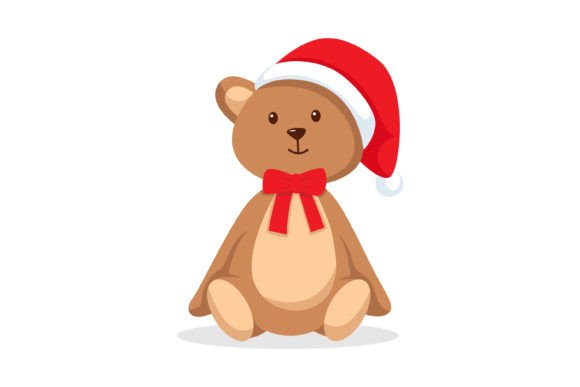
As a brand designer who spends most of my year refining visual identities for local businesses, I approach seasonal assets with a critical eye. It is not enough for an image to be cute; it must carry weight in a commercial context. When I first opened the files for the Christmas Bear Character Illustration, my immediate impression was one of warmth and approachable nostalgia. This is not a generic clipart dump; it is a cohesive set of Illustrations that feels hand-crafted yet polished enough for professional use. The mood it creates is distinctly friendly and festive, suggesting a brand personality that values community, tradition, and a touch of whimsy. For a local business looking to connect emotionally during the holiday rush, this asset hits the right notes without feeling cheap or overused.
Strategic Fit for Artisan and Food Brands
The specific style of this bear character leans heavily into the "handmade" and "organic" aesthetic, making it an ideal candidate for small business branding in the food and beverage sector. Imagine a local bakery launching a limited-edition gingerbread cookie line or a coffee shop introducing a winter spice latte. Placing this character on a product label instantly softens the packaging, inviting customers to pick up the item. It works exceptionally well for boutique owners selling children's products, handmade soaps, or scented candles. The illustration suggests a story, which is crucial for handmade business owners who need to differentiate their goods from mass-produced competitors on the shelf.
However, versatility is key. While the primary vibe is playful, the clean lines allow it to adapt to slightly more sophisticated contexts if paired correctly. For a florist creating holiday arrangements or a home decor shop selling seasonal ornaments, this graphic design asset serves as a perfect hero element. It bridges the gap between childish fun and elegant festivity, provided it is treated with respect in the layout.
Elevating Packaging and Promotional Visuals
In terms of practical application, the utility of the Christmas Bear Character Illustration extends far beyond a simple logo mark. In a real-world project, I would deploy these visuals across a comprehensive brand identity system. For packaging design, the bear can act as a mascot on the front of a box, drawing the eye immediately. On the back, smaller iterations of the character can guide the customer through usage instructions or ingredient lists, breaking up text-heavy areas.
Consider the unboxing experience. For e-commerce sellers, including a thank-you card featuring this bear adds a personal touch that fosters customer loyalty. It transforms a standard transaction into a memorable interaction. Furthermore, these design assets are invaluable for social media graphics. A series of Instagram stories or Facebook posts featuring the bear in various holiday scenarios can create a consistent narrative throughout December. Whether used on hang tags, stickers, menu graphics, or price lists, the character provides a unified visual thread that strengthens visual hierarchy and makes marketing materials instantly recognizable.
Building Trust Through Professional Presentation
The ultimate goal of any commercial design project is to build trust. Customers often judge the quality of a product by its packaging before they even touch it. By integrating high-quality Illustrations like this bear character, a business signals attention to detail. It suggests that if the owner cared enough to curate beautiful visuals, they likely care just as much about the quality of the soap, cookie, or candle inside. This leads to better shelf appeal and a stronger emotional connection with the buyer.
For professional branding, consistency is paramount. Using this asset across flyers, posters, business cards, and website banners ensures that the brand looks established and reliable. It prevents the fragmented look that often plagues small businesses trying to cobble together visuals from disparate sources. A cohesive look improves product recognition, making it easier for repeat customers to spot your items in a crowded market.
Where to Apply Caution in Layouts
Despite its strengths, the Christmas Bear Character Illustration is not a one-size-fits-all solution. It should be used carefully in formal corporate branding where a serious, minimalist tone is required. If you are designing for a luxury minimalist brand, the playful nature of the bear might undermine the perceived exclusivity of the product. Additionally, designers must be wary of crowding. On very small labels or ingredient-heavy layouts, adding this character can create visual noise. It should never compete with critical legal information or safety warnings. Low-contrast backgrounds can also wash out the details of the illustration, so always ensure there is sufficient separation between the art and the background color.
Essential Notes for the Working Designer
Before committing to this asset for a client project, there are several technical steps I recommend. First, test the Christmas Bear Character Illustration on real product mockup files. Seeing it in situ on a jar or box reveals scaling issues that aren't obvious on a screen. Check its performance in black and white; a strong logo or icon must hold up without color. Preview it on small labels to ensure the lines do not blur during printing.
Typography pairing is another critical consideration. This illustration pairs beautifully with serif fonts for a classic feel, sans serif fonts for a modern twist, or script and handwritten fonts to enhance the handmade vibe. However, avoid overly decorative display fonts that might clash with the character's details. If the download includes SVG or vector files, inspect the editability to ensure you can recolor the bear to match specific brand palettes. For raster files, review the PNG transparency to guarantee clean edges on colored backgrounds.
Finally, and most importantly, confirm the commercial license. Whether you are using this for a digital product, a printable design, or physical goods, understanding the rights is non-negotiable. Ensure the license covers the scope of your commercial design needs, especially if the end product will be sold in retail environments. With due diligence, this asset becomes a powerful tool in your arsenal for creating memorable, effective, and heartwarming brand experiences.